
Cancer Screening
What is Gynecological Cancer Screening?
Gynecological Cancer Screening is a vital, life-saving component of proactive female preventive healthcare. Malignancies of the reproductive tract—specifically cervical, endometrial, and ovarian conditions—often develop silently over several years without causing initial pain or warning symptoms. Routine screening is the single most effective tool for early detection and total cure.
At June Women's Health in Sushant Golf City, Lucknow, led by Dr. Shamim Sultana Yashine (MS - Obstetrician & Gynaecologist, Laparoscopic Surgeon), we provide gentle, stress-free screening protocols. Serving women across Sushant Golf City, Chowk, Aminabad, Indira Nagar, Sultanpur Road, Ashiyana, and greater Lucknow, we perform painless Liquid-Based Pap smears, high-risk HPV DNA testing, pelvic ultrasound assessments, and clinical breast examinations.
Our private single-doctor clinic near Lulu Mall on Amar Shaheed Path is structured to guarantee absolute confidentiality, gentle sample collection, and unhurried medical discussions in a sterile, welcoming environment.
Pap Smear vs. HPV DNA Test
While both tests utilize a simple, quick cervical swab during your pelvic examination, they analyze completely different markers to protect your health.
Pap Smear (Cytology)
Cellular Changes. Regular Check.
Detecting abnormal, dysplastic, or pre-cancerous changes in cervical cells.
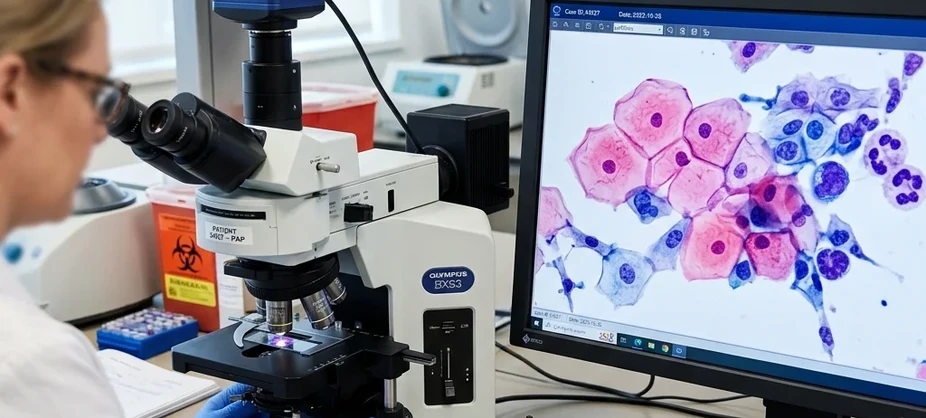
Swabbing cells from the cervix and viewing them under a laboratory microscope.
Recommended once every 3 years for women starting from age 21.
High reliability for active cell changes; best when combined as co-testing.
Checks cell structure to capture mutations before they turn into cancer.
HPV DNA Test (Molecular)
Viral Identification. High Sensitivity.
Detecting high-risk strains of Human Papillomavirus linked to cervical cancer.
Molecular testing on cervical fluid to isolate and detect high-risk viral DNA.
Recommended once every 5 years for women starting from age 30.
Extremely high sensitivity; flags the viral infection before it damages cells.
Detects high-risk viral strains, identifying cancer risk at the molecular root.
Screening Services We Provide
Our clinic offers a comprehensive range of preventative gynecological and breast health screening evaluations.
Liquid-Based Pap Smear (LBC)
A gentle in-office cervical swab that isolates cellular layers to identify atypical pre-malignant dysplasias before they progress into invasive neoplasia.
High-Risk HPV DNA Testing
PCR molecular assays detecting persistent oncogenic strains (HPV 16, 18, and related high-risk variants) responsible for cervical malignancies.
Clinical Breast Examination (CBE)
Comprehensive physical palpation of breast tissue and axillary lymph nodes to identify discreet nodules or structural shifts, plus personalized self-exam instruction.
Pelvic & Endometrial Sonography
High-definition transvaginal ultrasound imaging (TVS) assessing ovarian morphology, cyst architecture, and endometrial thickness to rule out uterine hyperplasia.
Our Pre-Procedure Preparation & Safe Guidelines
Adhering to proper clinical timing and scheduling guidelines is vital to collect clear cervical samples and guarantee test accuracy.

Mid-Cycle Scheduling Window
Plan your screening appointment 10 to 20 days after the onset of your menstrual period to ensure the clearest cytological specimen without red blood cell interference.
Avoid Intravaginal Products
Refrain from using vaginal washes, intimate douches, contraceptive jellies, or medicated suppositories for 48 hours prior to your Pap smear collection.
Abstain from Intercourse
Avoid sexual intercourse for 24 to 48 hours before testing to prevent temporary mucosal inflammation or residual fluid from altering laboratory cytology results.
The Cervical & Breast Screening Process
We make the screening process stress-free and gentle. It is completed quickly during a routine, private pelvic examination.
Every treatment and procedure at our clinic is performed with the highest standards of safety, compassion, and expertise. Dr. Shamim Sultana Yashine ensures each step of your journey is carefully monitored and optimized for the best possible outcomes.
Expert Guidance
From your initial consultation through recovery, our dedicated team is here to support you with personalized care, ensuring your comfort and peace of mind at every stage.
Step 1: Confidential Risk & Family History Audit
A private consultation with Dr. Shamim Sultana Yashine reviewing gynecological history, familial cancer history, and mapping an individualized screening interval.
Step 2: Gentle Clinical Swab & Exam
While resting comfortably, Dr. Shamim Sultana Yashine uses sterile, soft cytobrushes to harvest cervical cells in a gentle, painless process taking under a minute.
Step 3: NABL-Accredited Molecular Profiling
Samples are processed via advanced liquid-based cytology and PCR molecular diagnostics through high-precision NABL-accredited pathology partners.
Step 4: Report Counseling & Preventive Roadmap
Dr. Shamim Sultana Yashine interprets your findings in detail, outlines routine follow-up intervals, and guides you through HPV vaccination options if eligible.
Why Women Choose June Women's Health for Cancer Screening
Google Rating
Based on 11 Reviews
- Gentle Specimen Collection by Senior SpecialistAvoid delegated testing. Dr. Shamim Sultana Yashine personally conducts every cervical swab and breast exam with utmost gentleness and clinical precision.
- NABL-Accredited Molecular Diagnostic LabsSpecimens are processed with advanced liquid-based cytology and real-time PCR HPV testing to guarantee absolute accuracy in cellular analysis.
- Confidential Prior-Appointment SetupConsultations and preventative screenings in Sushant Golf City operate by prior appointment, ensuring zero lobby crowds and complete patient privacy.
Google Rating
Based on 11 Reviews
Frequently Asked Questions
Proactive screening is life-saving because reproductive tract malignancies—particularly cervical and early endometrial lesions—develop insidiously over several years without causing pain or visible symptoms. Liquid-based Pap smears and HPV DNA tests detect microscopic pre-cancerous transformations early, allowing complete curative treatment before cancer ever takes hold.
We maintain 100% upfront financial clarity. A comprehensive preventive gynecological consultation is ₹600. A Liquid-Based Cytology (LBC) Pap smear is ₹1,400 to ₹1,900. High-risk HPV DNA molecular testing is ₹3,000 to ₹4,200. Combined Co-testing (Pap Smear + HPV DNA) is ₹3,800 to ₹5,200. A screening pelvic ultrasound (TVS) to evaluate ovarian and endometrial thickness is ₹1,600 to ₹2,400.
A Pap smear examines the actual structure and shape of cervical cells under a microscope to identify cellular dysplasia (abnormal changes). An HPV DNA test is a molecular assay that checks for the genetic material of high-risk Human Papillomavirus strains that trigger those cellular changes in the first place.
Cervical Pap smear screening should begin at age 21, repeated every 3 years. From age 30 onwards, co-testing with an HPV DNA test every 5 years is recommended. Clinical breast examinations should begin in your 20s during routine annual checkups, and annual screening mammograms are advised starting at age 40 (or earlier with a family history).
HPV vaccines (such as Gardasil 9 and Cervavac) build protective humoral antibodies against the primary oncogenic HPV strains responsible for up to 90% of cervical cancers. Combining vaccination with regular screening provides near-complete lifelong protection against cervical malignancies.
An abnormal report is not a diagnosis of cancer; it simply highlights minor cellular changes (such as ASC-US or LSIL) that warrant closer medical observation. Dr. Shamim Sultana Yashine will review the specific findings and recommend repeat testing, colposcopic optical evaluation, or targeted biopsy.